 Uber & Lyft accident lawyer
Waymo and self-driving car accidents
When a car drives itself, the questions change: who was the "driver," what did the car record, and which company's insurance answers for it.
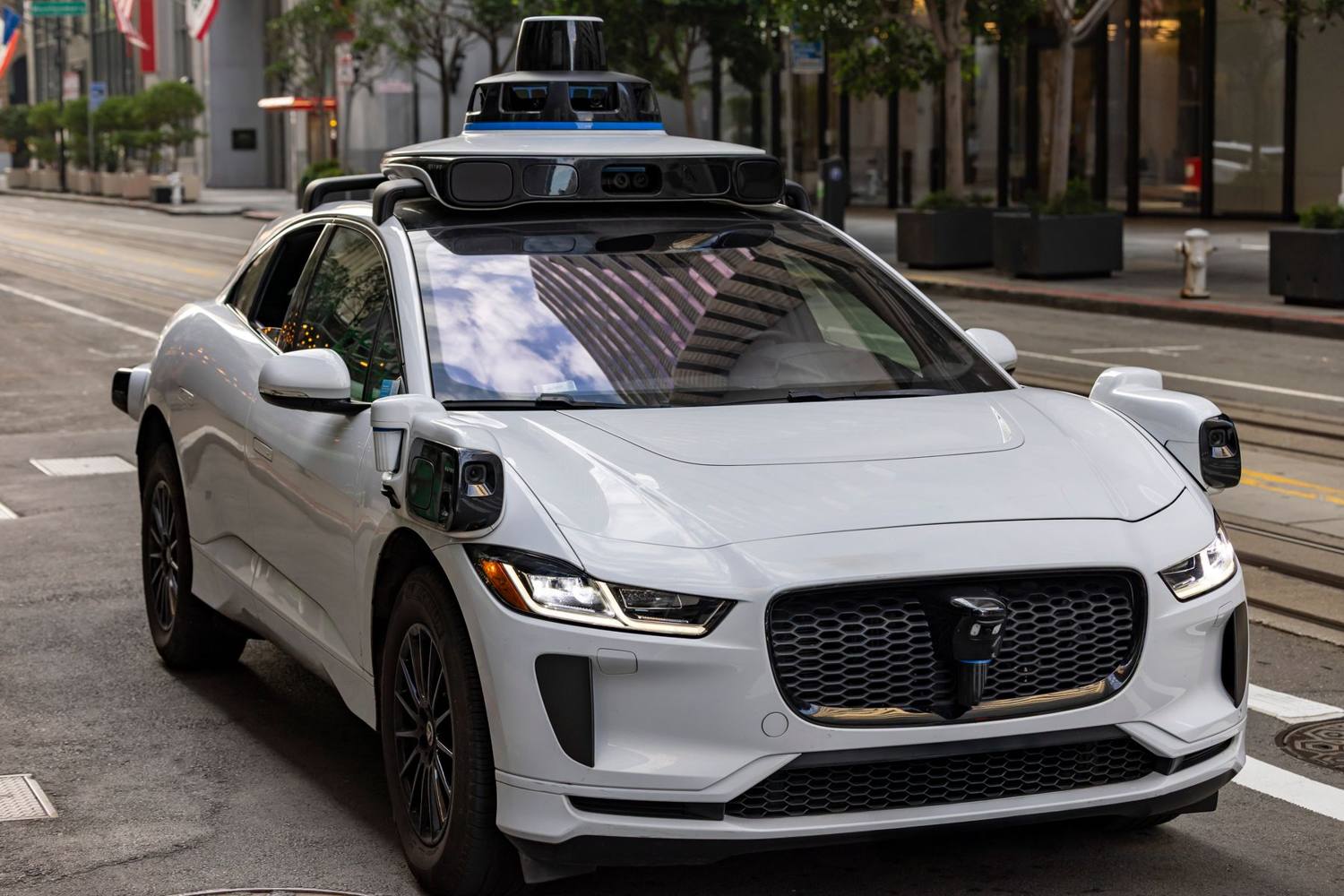
Driverless cars are here
Robotaxis with no human driver now operate in parts of metro Atlanta, and riders can book them through the Uber app. Most trips go fine. But when one crashes, the usual playbook doesn't fit. There's no driver to hand you an insurance card.
Who is responsible when no one is driving?
Georgia law addresses automated driving systems. When the system is engaged, it's generally treated as the operator of the vehicle, and the vehicle must carry insurance. In practice, a claim may involve:
- The company that owns and operates the self-driving car
- The insurance covering that vehicle
- The booking platform, depending on the facts
- Another human driver, if they caused the crash
- Your own uninsured/underinsured motorist coverage
The car is a witness
Self-driving cars are covered in cameras and sensors and record what they see. That data can show exactly what happened. It has to be requested and preserved early, before it is overwritten or kept out of reach.
If you were riding in it
As a passenger, you didn't control anything. Your claim focuses on who caused the crash and which policy pays. Keep your trip receipt; it proves you were on board and when.
If one hit you
Whether you were driving, walking or biking, get the police report number, photos and witness contacts. Don't assume the car's company will sort it out on its own. Its insurer works for the company, not for you.
This website is not affiliated with Waymo, Uber or Lyft. Brand names are used only to describe the vehicles and services involved.
Hurt in an Uber or Lyft? Let's sort out the insurance.
Free case review with Talal Perez Ghosheh. English or Spanish.